CENTRAL TEXAS FLOODS
CONCHO VALLEY, TEXAS, AUG 14 - 29, 2025
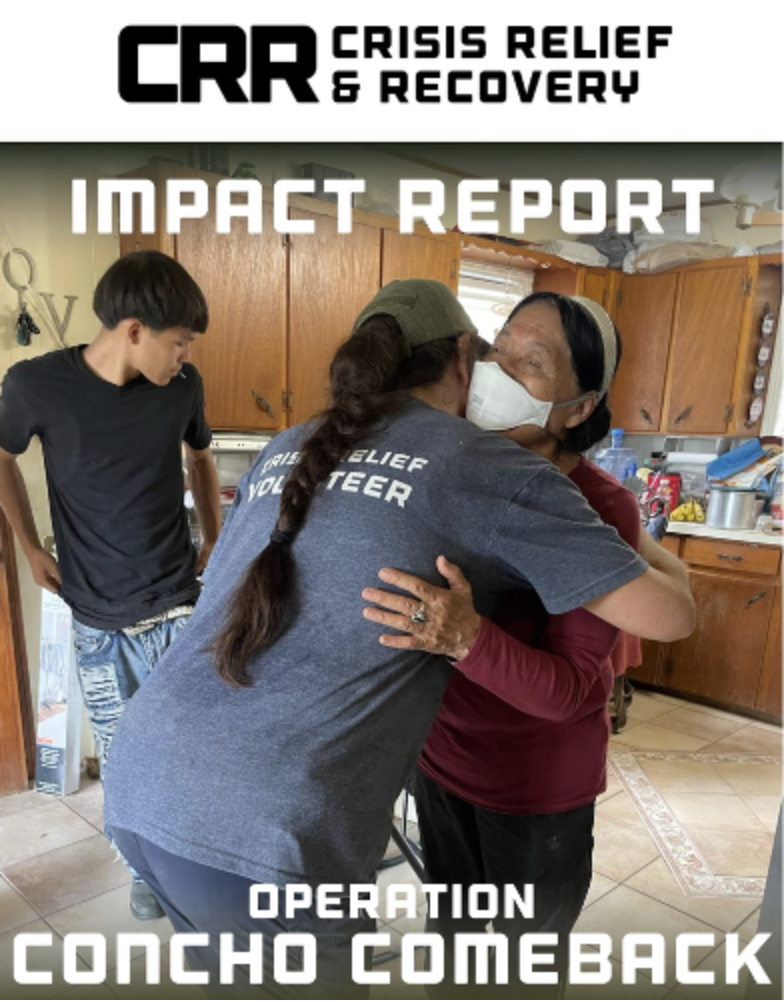
Across 15 days, 13 volunteers coordinated rebuilding work for 11 homes, bringing together the needs of the San Angelo Long Term Recovery Group (LTRG), The Life Church San Angelo, and the McCullough County LTRG.
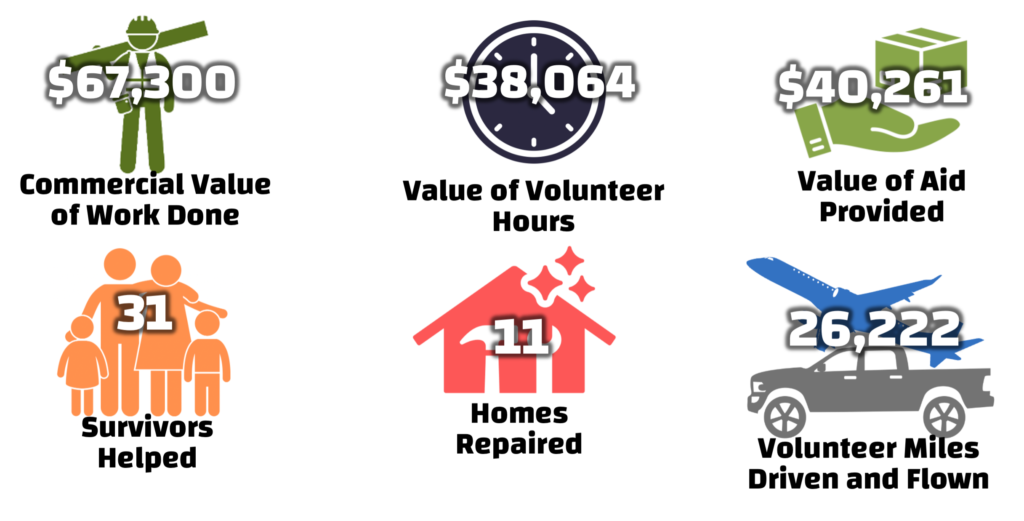
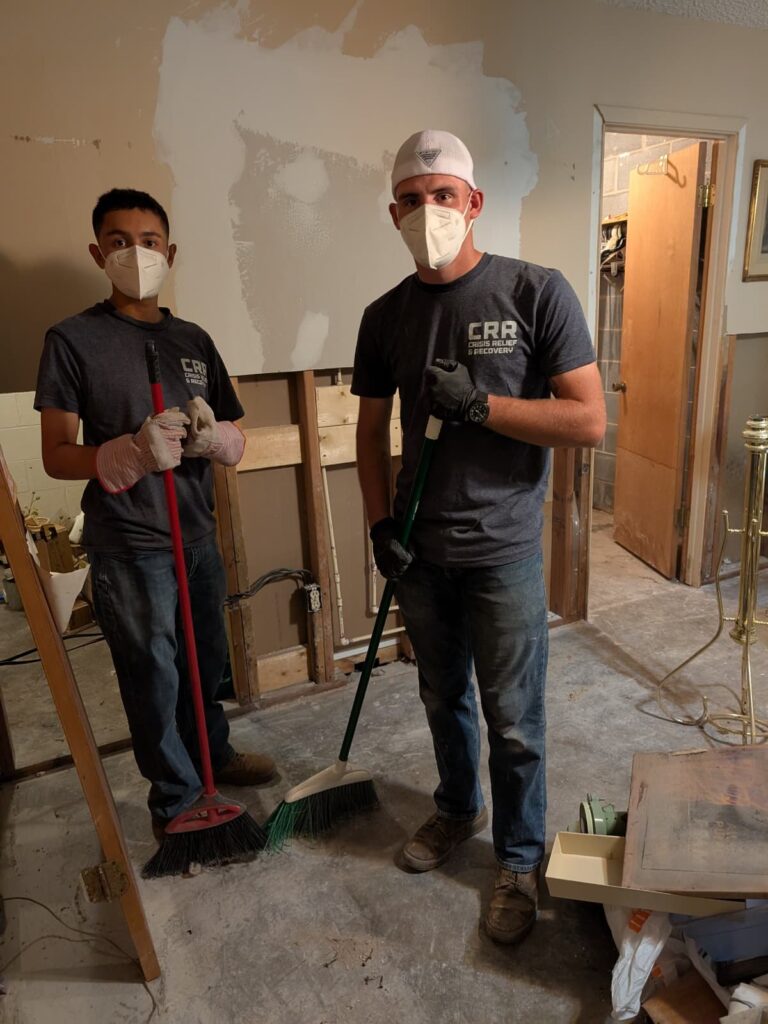
During this two-week mission, Crisis Relief and Recovery completed scopes of work consisting of muck & gut, mold remediation, sink installation, and whole-house drywall & insulation installation. Team members also damage assessed another 16 homes and created detailed materials estimates for partner teams to continue the work. The estimated value of work completed for this mission is $67,300 and the total impact to the region through volunteer hours and donations is estimated to be $145,625—with zero cost to homeowners.
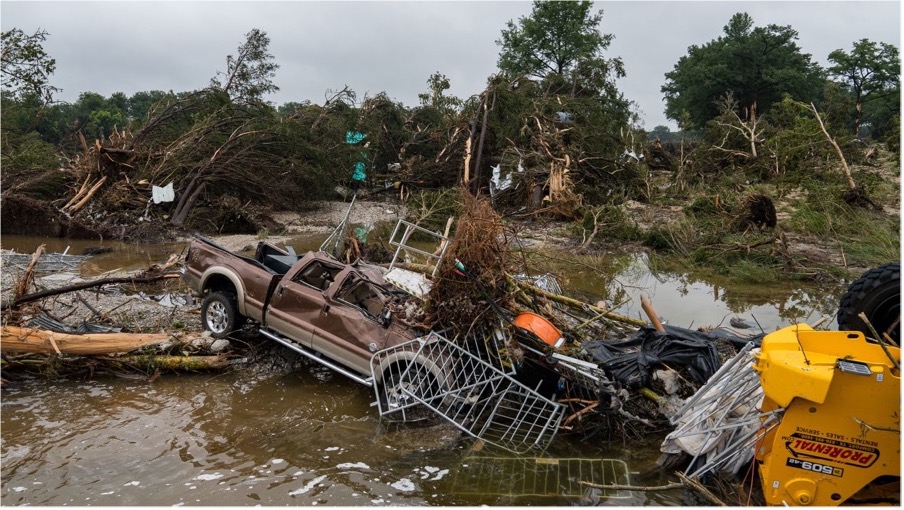
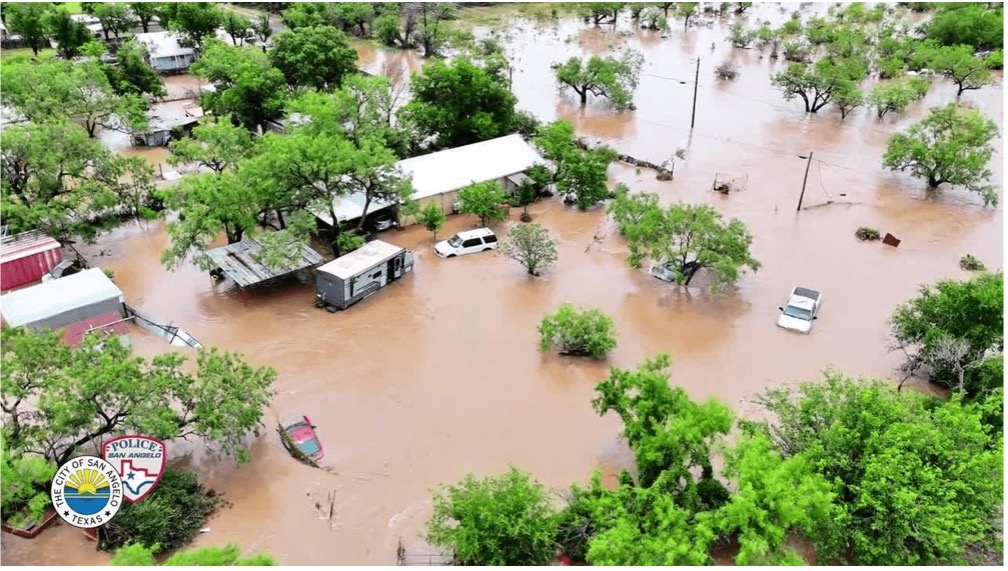
In early July 2025, parts of Central Texas, including the Guadalupe River watershed, experienced one of the most catastrophic flash flood events in U.S. history. From July 4–5, torrential rainfall, fueled by the remnants of Tropical Storm Barry, dumped upwards of 20 inches of rain in some areas over just a few hours, overwhelming regional drainage systems and triggering deadly flash floods.
Communities across Texas experienced significant flooding with fewer outside resources available. San Angelo and the broader Concho Valley, located along the Concho River and its tributaries, recorded their heaviest single day of rainfall on record—up to 15 inches on July 4. The resulting flash floods caused extensive road closures, housing damage, and isolated survivors across Tom Green and McCullough counties.
Despite this impact, the San Angelo region received comparatively less attention in the first weeks following the disaster. This gap in coverage was a primary factor in Crisis Relief and Recovery’s decision to launch Operation CONCHO COMEBACK, focusing efforts on underserved survivors in San Angelo, Brady, and surrounding communities
Local officials there initially estimated that over 12,100 structures were affected by the flooding, including over 2000 homes were in need of repair, from restoration of drywall and insulation to complete rebuild. Local authorities requested outside assistance from rebuild organizations and CRR answered that call.
A DELAYED RECOVERY MISSION...
A previously scheduled Team Training and Selection on July 17th -20th meant that CRR Leadership had to either cancel training and deploy to Texas, or continue with training another class of coordinators and leaders. Directors and staff made the decision to continue with the training, ensuring that the organization continued its long-term goal of building our team of volunteers.
However, continued pleas for help from partners meant that this crisis stayed on our radar. After the training weekend was completed, leaders kept in touch with partners who eventually requested CRR assistance for the underserved region of West Texas.
Volunteers were quickly contacted and plans were initiated to deploy a Recovery Operations Team to San Angelo through our partners Airlink. The long driving times required by our mainly East-coast volunteers meant that only through flying volunteers would we be able to conduct the mission. On August 14th, two members of the CRR ADVON team began the mission by driving the equipment and tool trailer, stocked with vital for a rebuild mission. This 24-hour drive was completed and the ADVON team quickly conducted partner linkup and initial damage assessment and coordination.
One challenge of this mission was the lack of previous contact with local partners during the response phase. This meant that part of the mission of CRR would be to coordinate and combine efforts to help those homeowners affected and needing help.
JUMPING IN MID-STREAM
CRR’s first contact was through Yvette Alvarado of FEMA. We had worked together in Western North Carolina during Operation BLUE RIDGE, and we were connected once it was determined that CRR was planning a mission to help rebuild homes in Texas.
Without the initial deployment of an Immediate Relief Team, the foundation of a Recovery Operation Team mission had to quickly be established. This meant reaching out to the San Angelo Long Term Recovery Group, Galilee CDC and other potential partners who were operating in the region. Daniel Cline was another critical link who provided connections with disaster relief organizations such as 180 Disaster Relief and local partners such as The Life Church San Angelo (TLC San Angelo). After initial confirmation of potential basing options for our team, we reached out to Airlink for airfares for our volunteers.
The initial Advance Liaison (ADVON) team began ferrying of equipment and a CRR vehicle on August 14th. After 36 hours of total travel time, the team arrived in San Angelo and immediately went to work. Coming into an established relief operation came with its challenges. The ADVON team had to quickly establish connections and trust, as well as build a list of assessed homes and survivors to prioritize according to the most need.
However, that first weekend was busy and the ADVON team assessed homes in San Angelo as well as Brady Texas and even conducted small repairs and renovations to begin the process of getting survivors back into their homes.
The following mission goals were established for the roughly 2-week mission:
- Get 5 families back into their homes – safe, secure, and healthy
- Complete any remaining muck and guts for vulnerable survivors, prioritizing: Elderly, Disabled, Single parents/caretakers, First Responders,Veterans
- Assist in coordination and consolidation between local LTRG, non-profit partners, and church and community groups.
This first phase of the operation, the Response phase, is marked with chaos as survivors as well as first responders and governments, begin to realize the extent of the damages and the need. Crisis Relief and Recovery began to assess communities, using flood maps and research tools to search for homes that would have been damaged by flood waters and downed trees. Being able to help residents emotionally as well as physically is a hallmark of our Immediate Relief Team, and simply the reassurance that help is on the way began to register with those traumatized by the storm.
Being able to rapidly assess the need, fill unmet needs, while coordinating the nationwide outpouring of support from those who wanted help, is key during this initial phase after disaster. Both the team in the field and those back at home helped coordinate local volunteers, financial donations, and aid deliveries from the region. Our operations could not be accomplished without a “team of teams” approach and the willingness of our volunteers to sacrifice their time and effort.
Over the next weeks, our Immediate Relief Team coordinators worked with survivors to provide services such as muck and gut, mold sanitation, roof tarps, tree clearing, and aid deliveries to shut- in or vulnerable families. Volunteers began arriving from South Carolina, Georgia, Tennessee, Pennsylvania, New Jersey, and as far away as Massachusetts and Maine. They brought years of experience, tools and equipment, and of course, willing hands to help others.
POWER THROUGH PARTNERSHIP
Operation CONCHO COMEBACK once again underscored CRR’s commitment to “Power Through Partnership,” bringing together national enablers, state agencies, and local organizations to maximize impact. In San Angelo, CRR worked hand in hand with the Long-Term Recovery Group and its Construction Committee Chair Stephanie Hamby of Galilee CDC, ensuring that cases were prioritized and survivors with the greatest needs were reached. Similar collaboration took place in Brady and across McCullough County, where Vickie Roddie of the local LTRG helped identify families in rural areas that might otherwise have been overlooked.
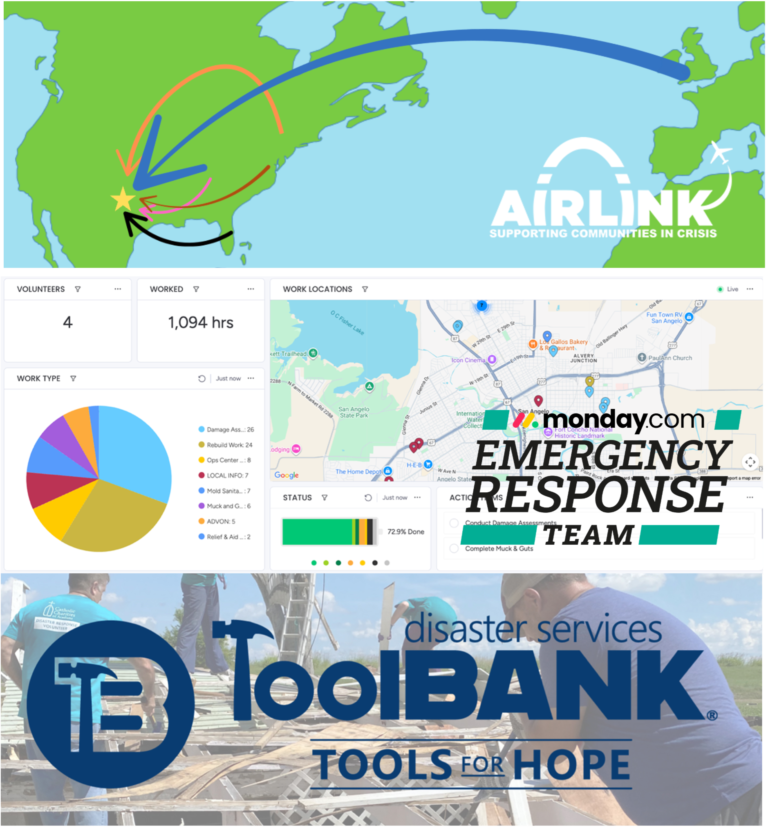
CRR also coordinated with the Texas Department of Emergency Management, which provided links to state and federal resources. Faith-based partners, including TLC Church and First Methodist San Angelo, offered facilities and direct aid distribution, while Galilee CDC and CityServe Oklahoma supplied critical donated items and logistics support. Airlink’s donation of airfare allowed trained CRR volunteers to arrive quickly at no cost, and ToolBank together with 180 Disaster Relief equipped volunteer crews with construction tools. We’d also like to thank Emergency Management Coordinator Jose Rivera for his support and discussions about how CRR can further help Emergency Managers in the future.
Critical local support came through Janice and Bart Teeter, who not only facilitated community connections but also linked CRR with Goodfellow Air Force Base and the Marine Corps Detachment stationed there. Their efforts enabled service members to join recovery operations, adding manpower and credibility within the community. The Teeters’ partnership showed how trusted local advocates can extend CRR’s effectiveness by bridging relationships with institutions and organizations that might otherwise remain outside the disaster response effort. Plus, they hosted the team with multiple meals and rejuvenating down-time!
A key component of our operation was enabled by Mercury One, a non-profit organization dedicated to “restoring the human spirit through programs to advance skills, knowledge, and attitudes necessary for individuals and communities to help themselves”. Aligned with CRR’s commitment to disaster response, Mercury One generously funded materials for complete home renovations, ensuring that affected families in San Angelo and surrounding areas could rebuild safely. Their support complemented CRR’s volunteer-led work, multiplying our capacity to reach more households. We anticipate continued partnership with Mercury One in future disaster recovery efforts, combining their resource generosity with CRR’s operational model to deliver both immediate relief and long-term resilience.
Finally, CRR’s use of monday.com as a data management platform ensured that operations were tracked and coordinated efficiently, allowing the team to work from a shared information base and visualization tool. Together, these partnerships allowed CRR’s team to extend its reach far beyond what could have been achieved alone, ensuring that survivors in San Angelo, Brady, and surrounding communities received timely and coordinated assistance.
GETTING THE JOB DONE - BY THE NUMBERS
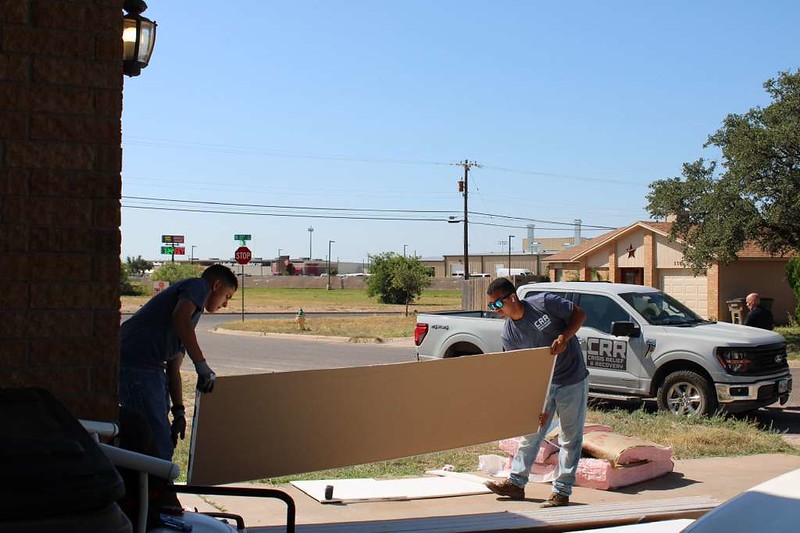
CRR facilitates work by directly providing services and partnership with other organizations who use our damage assessments and work orders.
(values based on closed work orders, local commercial values and volunteer hours.)